

Apple Valley, Minnesota, experiences a humid continental climate characterized by hot summers and cold winters. The average annual high temperature is approximately 54.9°F (12.7°C), while the average low is around 36.2°F (2.3°C). Annual precipitation averages 34.6 inches (877.6 mm), with the wettest month typically being June. The city falls within USDA Plant Hardiness Zone 5a, indicating that the growing season usually spans from late April to early October.
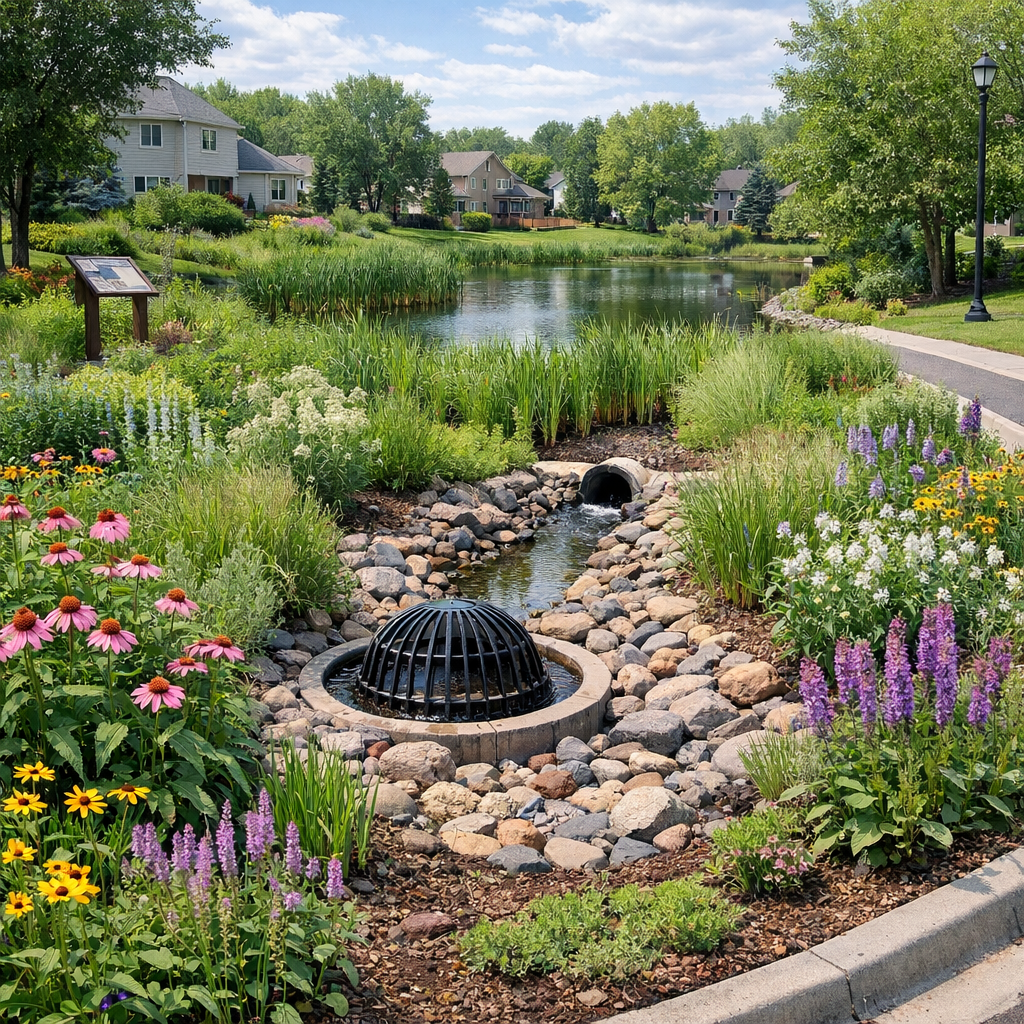
In recent years, Apple Valley has undertaken several environmental initiatives to promote sustainability and protect natural resources. Notably, the city has implemented the Stormwater Pollution Prevention Program to manage stormwater runoff and reduce pollution entering local water bodies. This program includes practices such as the installation of rain gardens and tree trenches, which help filter pollutants and manage water flow.
Additionally, Apple Valley has been proactive in monitoring and addressing the presence of Per- and Polyfluoroalkyl Substances (PFAS) in its water supply. In collaboration with the Minnesota Department of Health, the city continuously tests its public water system to ensure safety and compliance with health standards.
These efforts reflect Apple Valley’s commitment to maintaining a healthy environment and ensuring the well-being of its residents through proactive climate and environmental management strategies.