

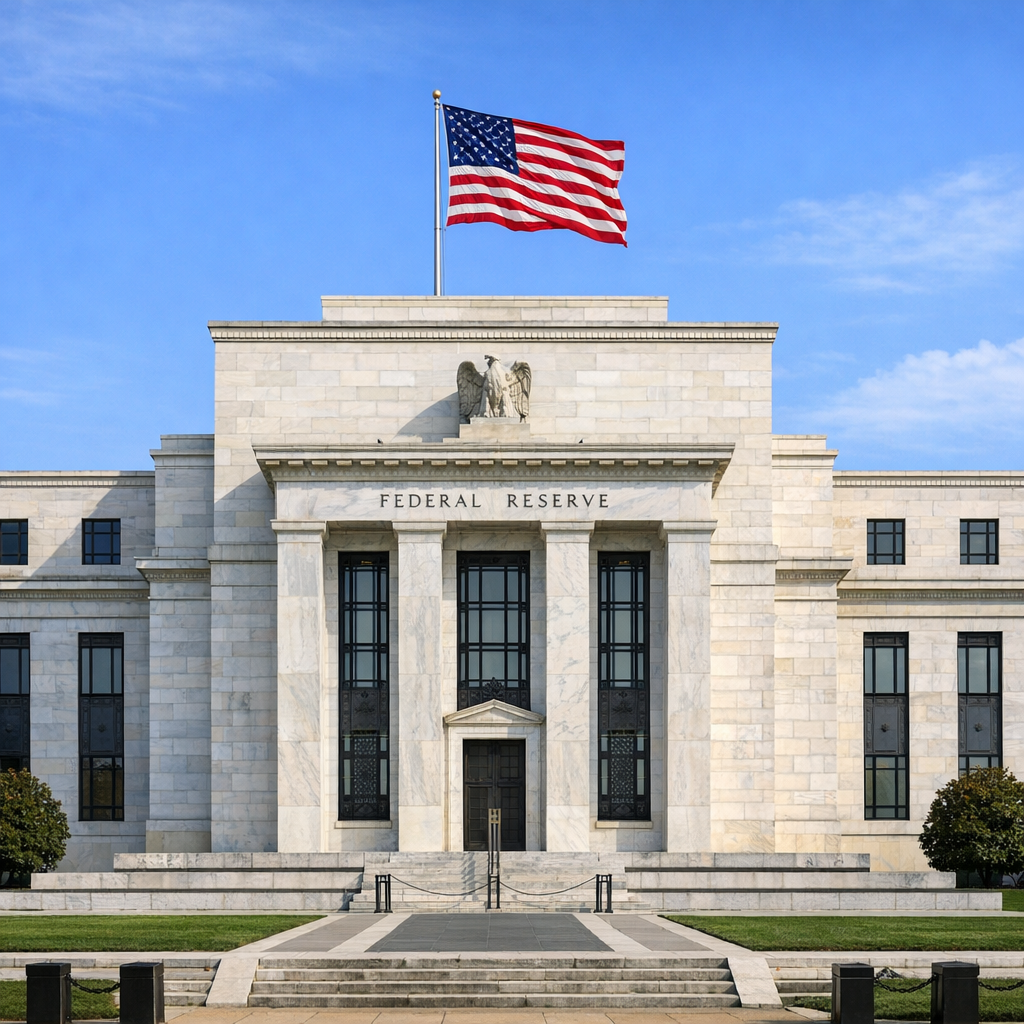
Inflation, the rate at which the general level of prices for goods and services rises, affects everyone. To manage inflation, the Federal Reserve (the Fed) employs various monetary policies aimed at maintaining economic stability.
What Is the Federal Reserve?
The Federal Reserve is the central banking system of the United States, responsible for implementing monetary policy, regulating banks, and ensuring the stability of the financial system.
How Does the Fed Control Inflation?
One primary tool the Fed uses to control inflation is adjusting the federal funds rate—the interest rate at which banks lend to each other overnight. By raising this rate, borrowing becomes more expensive, which can reduce spending and slow down inflation. Conversely, lowering the rate can stimulate spending and economic growth.
Recent Actions and Their Implications
Recently, the Fed has indicated a readiness to raise interest rates if inflation persists. Such actions can have widespread effects, including higher mortgage rates, increased costs for consumer loans, and potential impacts on employment rates.
What This Means for You
Understanding the Fed’s role in managing inflation helps us anticipate changes in the economy that can affect our personal finances. Staying informed about these policies enables better financial planning and decision-making.